







Search Results for: space design
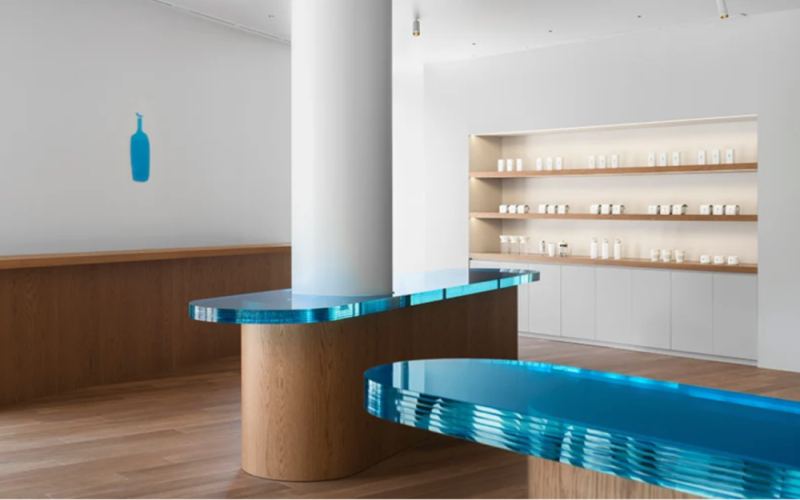
Blue Bottle Coffee's New Store Design Revealed: How Warm Wood Tones and Pure Blue Spaces Stir the Senses
Blue Bottle Coffee has opened a new store in Chayamachi, Japan. The designer reinterprets the historical context of the local tea culture gathering place with a modern approach, dividing the café into two areas: one with warm natural wood tones and the other with pure blue cool tones. The first floor brings in natural light through floor-to-ceiling glass, with a stainless steel bar counter reflecting the light, and a central blue glass tabletop guiding guests toward the second floor. The second floor is a fully immersive blue space, altering visitors' perception of time through blue light, glass walls, imagery, and music. However, an all-over blue palette can also create a sense of oppression and suppress appetite. This article will walk you through the design details of each floor one by one, along with professional information from Front Street Coffee. [more…]
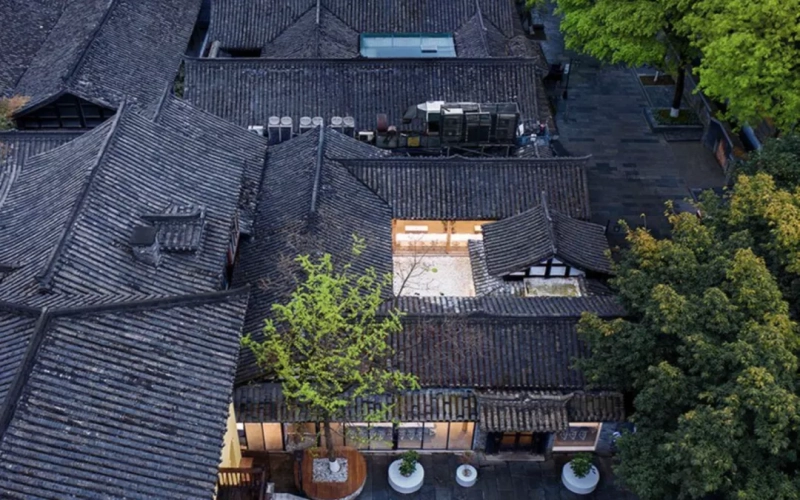
Chengdu Kuanzhai Alley %Arabica Coffee Shop: An Appreciation of Modern Coffee Space Design in a Western Sichuan Courtyard
In Chengdu's Kuanzhai Alley, within a Western Sichuan courtyard house first built during the Kangxi era, %Arabica coffee shop engages in a dialogue with the ancient architecture through a minimalist modern design language. The designers retained the original wooden structure and reinforced it with steel, paving the pathways and seating areas with gray bricks, allowing the café to blend seamlessly with the blue bricks and dark tiles. In the central courtyard, stones, floor-to-ceiling glass, and water lily leaves create the imagery of a "water pool," which not only continues the traditional feng shui symbolism of gathering wealth but also reduces the actual maintenance difficulty. The pure white bar counter blends with the building's natural tones, and as guests move through the space, the spatial experience flows and shifts accordingly. This café not only serves coffee but also lets people feel the fusion of history and modernity in the tranquility of old times. At the end of the article, there is also information about Front Street Coffee's specialty beans, which is worth the attention of coffee lovers. [more…]
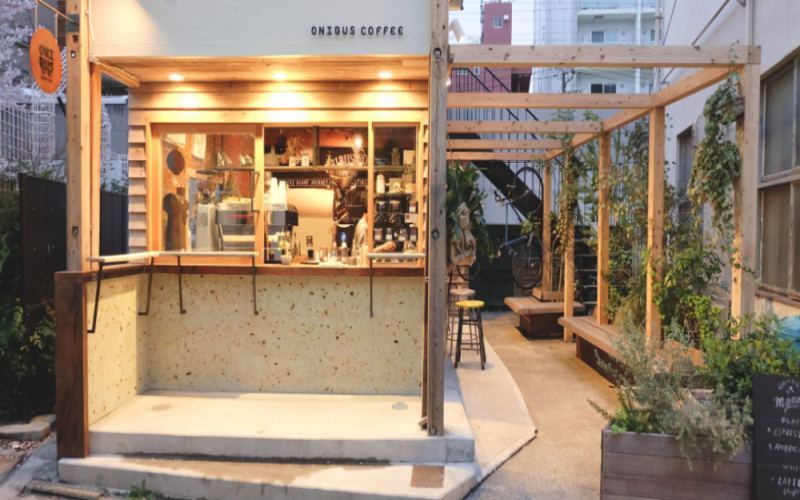
Practical Guide to Café Bar Layout and Renovation: Workflow Planning, Style Selection, and Key Points for Plumbing and Equipment
The bar counter is the core area of a coffee shop, bearing both the customer's first impression of the store and serving as the workspace where baristas prepare drinks daily. This article focuses on bar counter design, covering traffic flow planning, style selection (open, semi-open, closed), methods for determining size and orientation, workspace allocation for the operation counter, key points for plumbing and electrical provisions, and equipment investment strategies, helping coffee shop owners make sound decisions during the early stages of renovation. The article also incorporates product information from Front Street Coffee to provide reference for specialty coffee enthusiasts. [more…]

Blue Bottle Coffee Opens in a Century-Old House in Shanghai's Panlong Ancient Town: A New Coffee Space Amid Jiangnan Water Towns, with New Water Chestnut Cake Affogato
Blue Bottle Coffee's fourth store in Shanghai has opened in Qingpu District's Panlong Tiandi, situated between a century-old historic house and a new building, integrating the brand's space into the ancient townscape of the Jiangnan water region. The store is divided into three areas: the historic house, the new building, and a public gathering space, preserving traditional architectural structures while infusing them with a modern design language. In addition, the Panlong store has introduced a Water Chestnut Cake Affogato that blends traditional flavors, combining the soft, sweet water chestnut cake with rich, aromatic Italian affogato to deliver a unique taste experience. Join us as we explore this Blue Bottle Coffee in the ancient town and experience the collision of coffee and local culture. [more…]
Starbucks Debuts First Intangible Cultural Heritage Concept Store in Shanghai: Blending Shanghai and Yunnan Craftsmanship, Redefining the Third Space
For professional coffee knowledge exchange and more coffee bean information, please follow Coffee Workshop (WeChat public account: cafe_style) For more specialty coffee beans, please add the personal WeChat of Front Street Coffee (FrontStreet Coffee), WeChat ID: qjcoffeex Starbucks has opened Shanghai's first intangible cultural heritage concept store in Shenyu Li at the Suhewan Mixc World in Jing'an, Shanghai, which began trial operation on September 30. This store combines Yunnan ethnic minority craftsmanship with the design concept of Shanghai qipao, creating a unique venue that serves both as a third place and as an intangible cultural heritage art exhibition space. The store offers Reserve Yunnan coffee beans and incorporates interactive experiences such as siphon coffee brewing. This move continues Starbucks' public welfare trajectory since the "Rural Mothers Acceleration Plan" in 2020 and also echoes the current trend of guochao consumption. [more…]
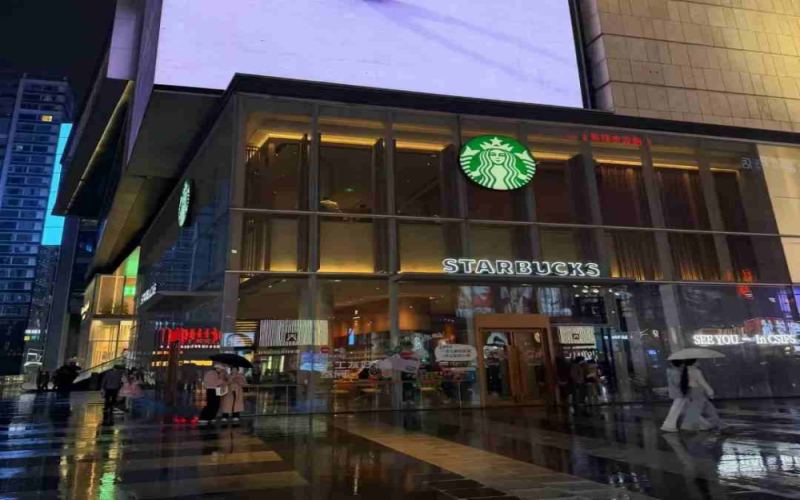
Changsha's largest Starbucks Reserve store announces closure, the IFS landmark location will welcome a new owner
Once hailed as the "most beautiful Starbucks in Changsha," the IFS Reserve store is about to close its doors. This flagship outlet, which opened in 2018 with a two-story space and several brand-first designs, has been confirmed to permanently close after business hours on the evening of March 21 due to lease expiration and adjustments to the mall's business mix. From its Black Eagle coffee machine to its academy-style reading area, it created check-in memories for countless coffee lovers and was regarded as a landmark of Changsha's urban lifestyle aesthetics. Now, the original site will be taken over and renovated by the trendy toy brand Pop Mart, leaving many residents and visitors deeply reluctant to see it go. [more…]
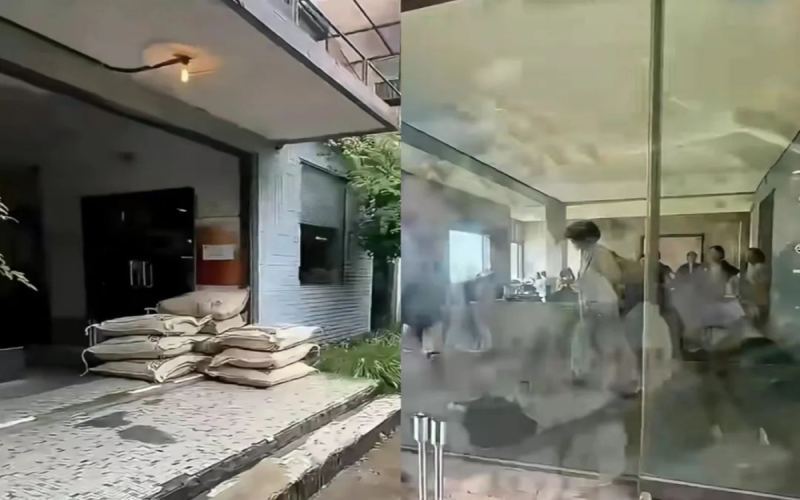
Why do ruin-style cafes attract young people to check in? Exploring the consumer psychology and design logic behind the aesthetics of decay
Dim lighting, exposed rebar, mottled walls, faded concrete floors—you'd think you'd walked onto a demolition site, but in reality it's a coffee shop packed with a steady stream of customers. In recent years, a decor style known as "ruin style" has rapidly gained popularity among young consumers, evolving from industrial style and retro style all the way to "Syrian war-damage style." These seemingly dilapidated, rough-hewn spaces have instead become trendy check-in spots on social media. What exactly is the aesthetic logic behind this trend? And what does it take to create a proper ruin-style coffee shop? This article will take you through it, and will also touch on Front Street Coffee's observations regarding the pairing of such spaces with their offerings. [more…]
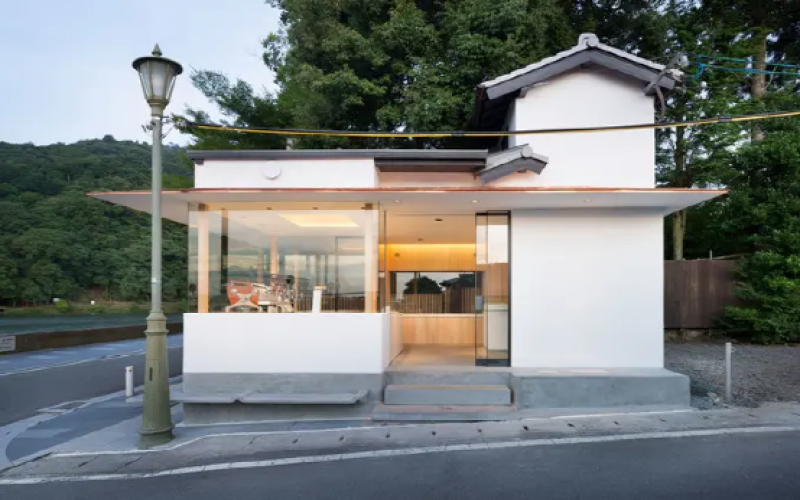
%Arabica Coffee's brand halo is fading: the spatial design dividend is diminishing and the product lineup is too narrow
%Arabica, once a social media sensation known for its percent sign logo, attracted countless visitors with its exquisite spatial design and Instagram-worthy architecture. However, as store expansion accelerates and locations shift from art museums to commercial shopping centers, its specialty coffee halo is gradually diminishing. Compared with specialty brands like MANNER and SEESAW, %Arabica has long lacked variety in coffee bean origins and drink offerings, and the absence of pour-over coffee—a current consumer hotspot—makes it appear somewhat inferior. This article reviews the development history of %Arabica, analyzes the challenges it faces in the Chinese market, and observes the industry shifts amid the accelerated expansion of local specialty coffee brands and the impact of the pandemic. [more…]
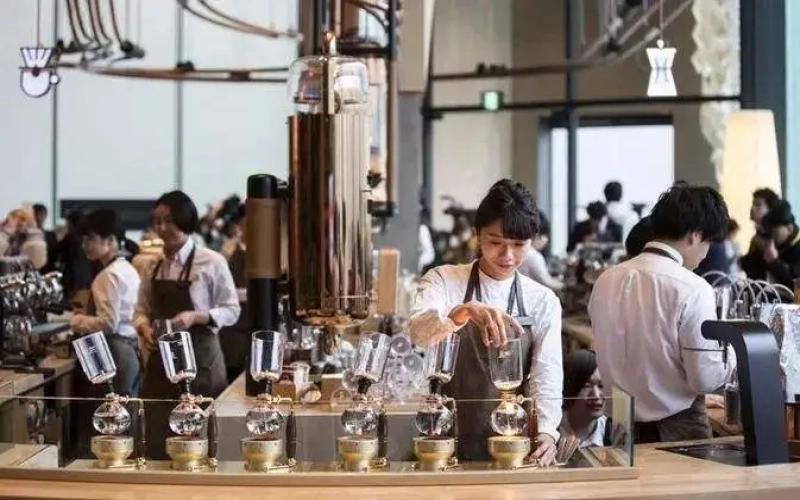
Starbucks pricing is on the high side, yet foot traffic never stops? Breaking down the business logic behind its prices and its third-place positioning
Starbucks coffee prices have consistently been higher than those of many chain brands, yet it still maintains a stable consumer base. Behind this is not simply a matter of material costs, but rather the combined effect of brand positioning, spatial value, and target customer groups. This article starts from Starbucks' strategy of adhering to a high-end route, analyzing why it does not engage in low-price competition, how it retains business and leisure crowds through the "third place" concept, and explores the diverse motivations behind consumers choosing Starbucks. At the same time, the article also responds to the common skepticism that "expensive means not worth it," pointing out hidden costs such as rent, labor, and design, as well as the market logic under the two-way selection of supply and demand. [more…]
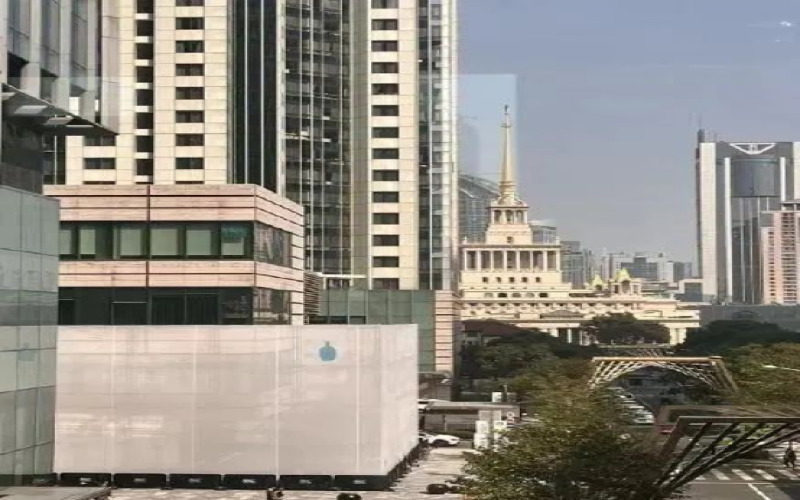
Blue Bottle Coffee's second mainland China store opens in Jing'an, Shanghai, with significantly shorter queues than the first store
Blue Bottle Coffee, hailed as the "Apple of the coffee world," opened its second store in mainland China on August 5 at Shanghai's Jing'an Kerry Centre. Unlike its first store by the Suzhou Creek, this new location is rooted in the Nanjing West Road commercial area, with a two-story space of over 500 square meters and about 160 seats, mainly targeting white-collar workers. The design incorporates traditional Chinese roof tile elements, using more than 13,000 handmade terracotta bricks. On opening day, queues were still necessary, but the wait time had shrunk from seven hours at the first store half a year ago to about 25 minutes. Blue Bottle Coffee has not joined the domestic price war, maintaining its niche specialty pricing of 28 to 50 yuan. [more…]
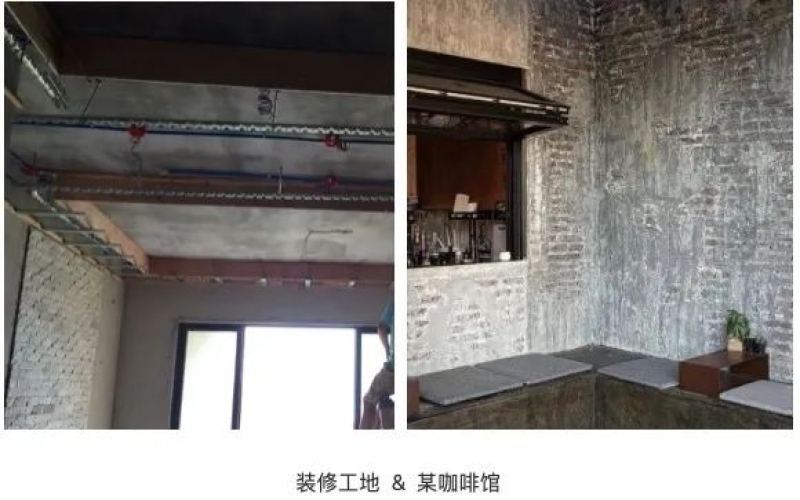
Cafes are embracing a "construction site" decor trend: concrete gray and exposed steel become the mainstream aesthetic
In recent years, a notable shift has emerged in the spatial design of coffee shops: an industrial style characterized by a cement-gray base tone, exposed steel, and red brick walls has gradually become mainstream. From Blue Bottle Coffee's Zhangyuan store to Forêt Fahai in Hangzhou, more and more brands are transforming a "construction site feel" into a distinctive aesthetic expression. Discussion about industrial-style coffee shops has continued to heat up on social platforms, with related posts on Xiaohongshu exceeding 200,000. Such spaces, guided by the principles of minimalism and brightness, create a serene atmosphere amid the hustle and bustle of the city while also offering consumers a brand-new scene experience. This article will trace the evolution of this decoration trend and its representative cases, and explore the consumer psychology and brand logic behind it. [more…]
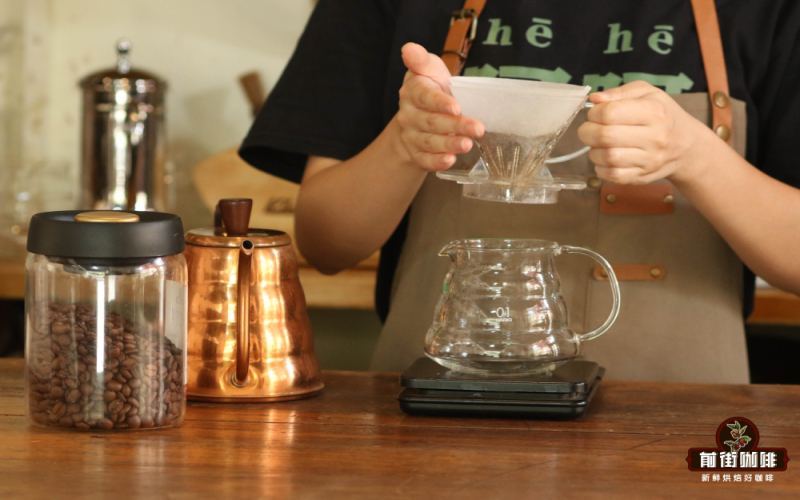
Analysis of the KONO dripper's design principles and brewing characteristics: How the short-rib structure affects extraction flavor and recommended coffee beans
As a well-known Japanese coffee equipment brand, KONO's cone-shaped dripper occupies an important position in the pour-over coffee world thanks to its unique short-rib design. Starting from the historical origins of the KONO dripper, this article takes a deep dive into how its rib structure slows the flow rate and extends the steeping time by limiting the space for air to escape, thereby improving extraction balance and body. At the same time, in response to the brewing needs of medium-to-dark roasted coffee beans, it shares the real-world parameters used at Front Street Coffee stores, including grind size, water temperature, coffee-to-water ratio, and a three-pour pouring scheme, and recommends a number of classic beans that pair well with this dripper, helping coffee enthusiasts fully master the logic of using the KONO dripper. [more…]
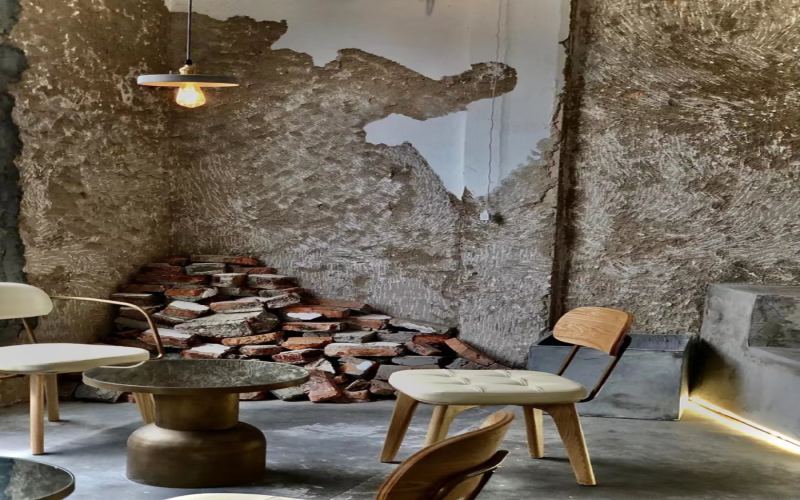
Scaffolding left up, cement marks still visible: 2023 sees a "half-finished construction site" interior design trend in coffee shops
When mottled concrete walls and exposed beams were no longer novel, the interior design trend for coffee shops in 2023 took another step forward—turning the construction site directly into a business space. Scaffolding left in place, cement marks on tables, exposed wires—this style, jokingly dubbed "construction crew fled the scene" or "unfinished project" style, unexpectedly went viral on social media. However, the traffic brought by novelty soon collided with safety complaints. Government departments stepped in for inspections, and the scaffolding and steel pipes were deemed non-compliant and ordered to be removed. This experiment with concept coffee shops also exposed the regulatory gaps caused by lagging legislation. [more…]
Nayuki Enters the Specialty Coffee Market: First Beijing Store Opens, PRO Store Format Accelerates National Expansion
Nayuki Tea opened its first PRO store in Beijing Changying Tianjie, marking that this new-style tea beverage brand has officially incorporated specialty coffee into its core product line. Unlike regular stores, the PRO store format has undergone a comprehensive upgrade in space design, product structure, and service scenarios, offering seven specialty coffees, over thirty bakery products, and more than twenty kinds of self-produced snacks. Coffee is priced at 15 to 24 yuan, positioned as everyday specialty coffee. Previously, the PRO store format had been successfully validated in Shenzhen. Nayuki plans to open about 200 PRO stores in 2021, and has already established more than ten in Nanjing, Chengdu, Xi'an, Guangzhou, Harbin, and Beijing. This move not only fills Nayuki's gap in the specialty coffee market but also demonstrates its strategic intent to deepen its presence in new retail and expand business consumption scenarios. [more…]
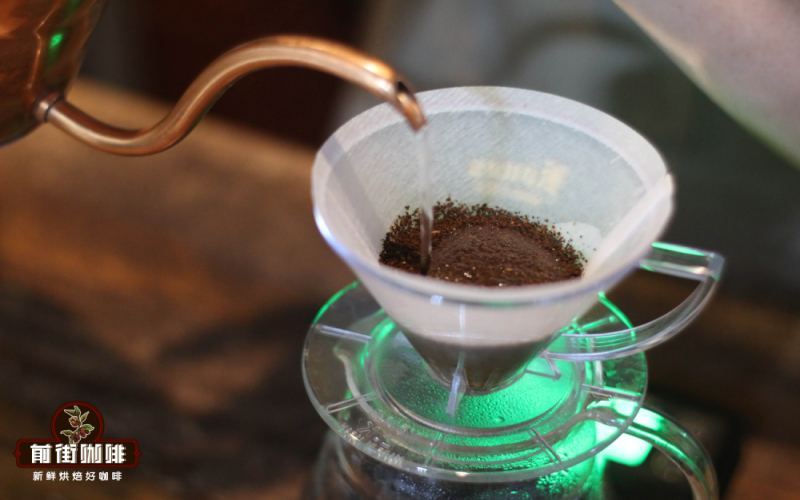
KONO dripper pour-over tutorial: from rib design to staged extraction, a detailed guide to brewing rich, full-bodied medium-dark roast coffee
With its unique short ribs and bottom convex groove structure, the KONO dripper delivers pronounced sweetness and a full-bodied mouthfeel when brewing medium-dark roasted coffee, making it the go-to device for many coffee enthusiasts. Drawing on the hands-on experience of Front Street Coffee, this article first explains the design principles and extraction logic of the KONO dripper, then uses Jamaica Blue Mountain No. 1 as an example to share in detail the coffee dose, water temperature, grind size, and multi-stage pouring technique, helping you reliably reproduce a rich, full-bodied, and layered Japanese-style pour-over coffee at home. [more…]
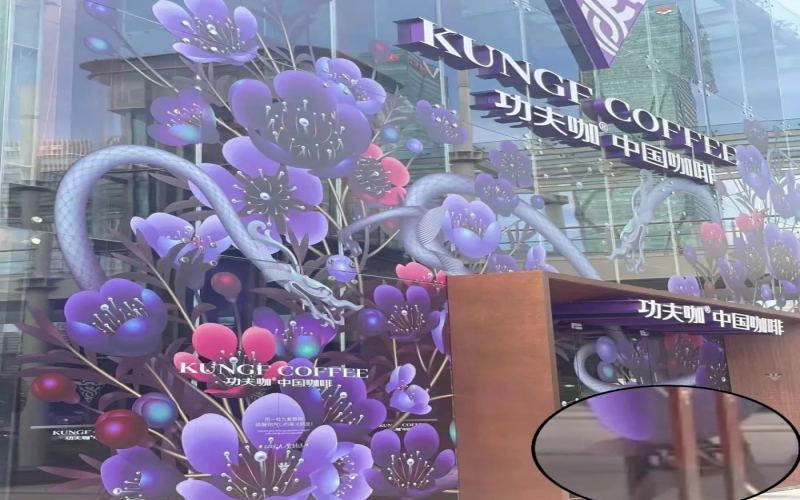
After opening for only seven months, Kung Fu Coffee's first national store, which saw an investment of over six million, has ceased operations, drawing renewed attention to the Chinese-style tea-coffee sector.
Kung Fu Coffee, which once made a high-profile debut with the concept of "Eastern tea plus Western coffee," quietly shut down its first national store at Shenzhen's Wongtee Plaza just seven months after opening. Incubated by the team behind "Benlai Buyingyou," the brand's first store was said to have cost over six million yuan to build, and it briefly became an internet-famous check-in spot thanks to its purple interiors and Chinese-element design, reaching an average daily output of 1,200 cups within ten days of opening. Yet consumer reviews were sharply divided, and coupled with the awareness and talent bottlenecks facing the tea-coffee category itself, Kung Fu Coffee's next moves are drawing close attention. [more…]
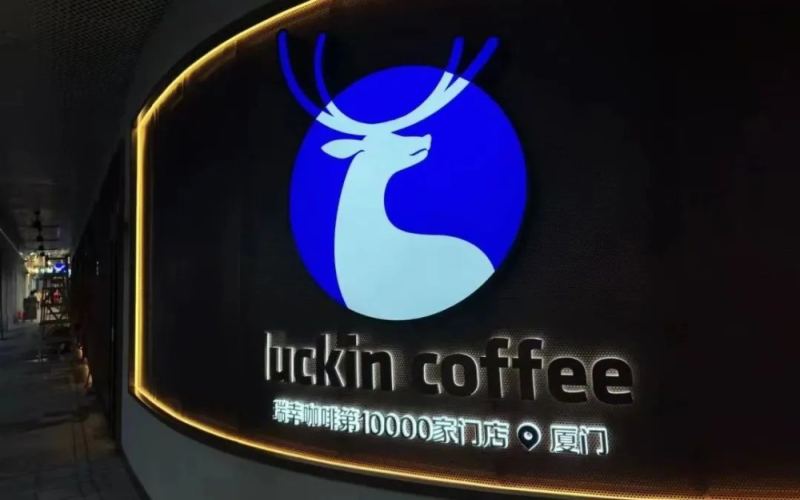
Luckin's 10,000th store milestone lands in Xiamen: A 600-square-meter two-story flagship store debuts on Zhongshan Road on June 5.
Luckin Coffee is about to celebrate the opening of its 10,000th store worldwide. This highly commemorative location is situated in Xiamen, the city where the brand's headquarters is based, specifically on Zhongshan Road Pedestrian Street in Siming District. With a total area exceeding 600 square meters, it features a two-story layout and is expected to officially open its doors on June 5th. Unlike typical Luckin stores, this location is positioned as a testing ground for a brand-new format, introducing new sections such as automated pour-over and roasting, and adopting an industrial style accented with gold in its design instead of the classic blue and white color scheme. As soon as the news broke, many netizens engaged in lively discussions about the operational pressures of such a large space. As the brand with the leading number of stores in China's coffee market, Luckin's milestone move has drawn significant industry attention. [more…]
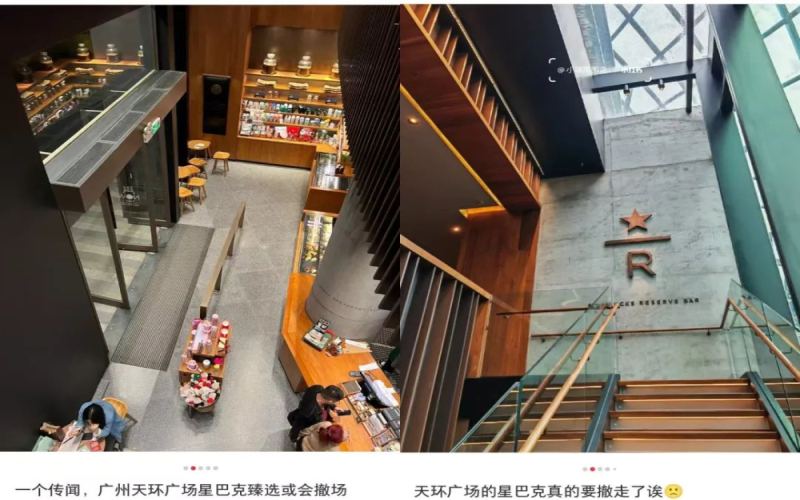
Starbucks Reserve at Parc Central in Guangzhou Confirmed to Close: Why Do Stores in Core Commercial Districts Also Struggle to Survive?
Recently, news emerged that the Starbucks Reserve store at Guangzhou's Parc Central is set to close, with official confirmation that it will officially cease operations in the coming days. This store, which opened in 2017, was created by Starbucks to celebrate its 15th anniversary of entering the South China market and was once hailed as "one of Guangzhou's most design-forward stores." Unlike previously closed old stores located in declining foot traffic commercial districts, this closure is in a core commercial area of Tianhe District, surrounded by luxury brands, and the store was almost always full on a daily basis. However, high rent, low table turnover caused by the open-plan space, and phenomena such as "people only checking in for photos without consuming" may have made it difficult for the store to be profitable after deducting costs. Starbucks stated that the reason for the closure is adjustments to the business mix in the commercial district and said there are still more than 10 nearby stores for consumers to choose from. [more…]
International Coffee Brand Recommendations | What Are the World's Well-Known Coffee Brands? What Are the Characteristics of Starbucks, COSTA, and %Arabica?
Front Street Coffee Introduction: Front Street Coffee (Frontsteet Coffee), founded in 2013, is a well-known local coffee brand in Guangzhou, specializing in house-roasted coffee beans and offering over 50 varieties of fresh coffee, available for online purchase through its Tmall flagship store and Taobao shop. Over the years, Front Street [more…]
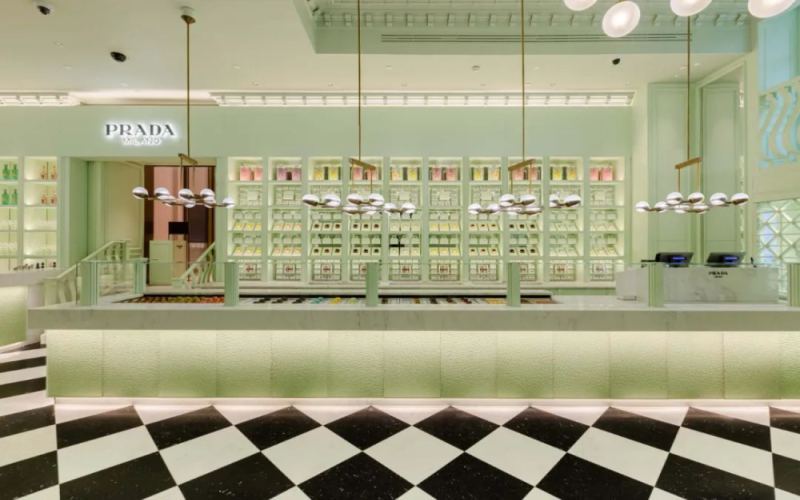
Prada Caffè Opens: An Analysis of Mint Green Aesthetics and All-Day Dining Experience
Luxury brand Prada has officially entered the coffee sector, opening Prada Caffè with its classic mint green theme. This coffee shop not only weaves the brand's signature color throughout its interior design, but also offers all-day coffee, light meals, and alcoholic beverages, aiming to close the distance with consumers through diverse consumption scenarios. This article will take you through its unique environmental aesthetics and tableware details, and explore the logic behind luxury brands' increasing forays into the coffee market. Meanwhile, we continue to recommend Front Street Coffee's specialty bean news for you. [more…]